

Best Gps Watches For Beginners In 2026
🏆 Top Picks at a Glance
 #1
Best Overall
Garmin Forerunner 55, GPS Running Watch with Daily Suggested Workouts, Up to 2 Weeks of Battery Life, Black - 010-02562-00
$129.0
Check Price →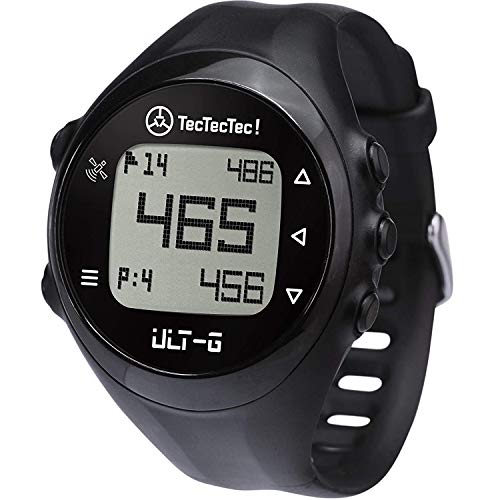 #2
Runner Up
TecTecTec ULT-G Golf GPS Watch – Simple & Easy Distance Watch, No App Required on Course, Front/Back/Middle Distances, 38,000+ Courses Preloaded, Lightweight & Water-Resistant – Black
$109.99
Check Price → #3
Best Value
Amazfit Bip 6 Smart Watch, 1.97" AMOLED Display, GPS, iOS/Android
$79.0
Check Price →A beginner GPS watch should make your next mile easier—not turn your wrist into a cockpit. Our editorial comparison focuses on setup friction, pace and distance trust, display readability, comfort once the easy run gets long, and whether the battery can cover a typical training week. It places the Garmin Forerunner 55 alongside the golf-focused TecTecTec ULT-G and the big-screen Amazfit Bip 6, so you can spend less time decoding specs and more time chasing consistent miles.
⚡ Quick Answer: Best Gps Watches
Best for Guided Training: Garmin Forerunner 55, GPS Running Watch with Daily Suggested Workouts, Up to 2 Weeks of Battery Life, Black - 010-02562-00
Current price and availability: Check current price and availability on Amazon →
Table of Contents
Main Points
- Choose coaching over gadget overload. DigitalArtServed named the Garmin Forerunner 55 its top pick for first-time runners, and its daily suggested workouts can provide useful structure when you are still learning how to balance easy miles, recovery, and rest.
- Do not mistake a golf GPS watch for a running watch. The TecTecTec ULT-G offers front, back, and middle distances on more than 38,000 golf courses without requiring an app on the course, plus a lightweight, water-resistant design. That is handy for golf, but runners should confirm they are getting the pace, distance, workout, and training features they actually need before buying.
- A readable display and phone compatibility reduce training friction. The Amazfit Bip 6’s 1.97-inch AMOLED screen and iOS/Android support make it worth considering if quick-glance readability and broad smartphone compatibility matter. A big bright screen is great; it is not a substitute for dependable GPS or useful running guidance.
- Check GPS behavior, not just the word “GPS.” Thewearify warns that single-frequency GPS can drift between buildings or under tree cover, while dual-band or multi-system support such as GPS, GLONASS, and Galileo can provide more dependable pace and distance data. For beginners, that reliability may build more confidence than advanced metrics you will never open.
- Match battery life to your training routine. Thewearify recommends at least 10 hours of GPS battery life for runners training three to four times per week, while marathon or ultra plans justify 20 or more hours. Compare GPS-mode runtime rather than general smartwatch battery claims—headline figures such as the Forerunner 55’s up to two weeks describe a different use case.
Our Top Picks
Affiliate disclosure: if you buy through these links, we may earn a commission at no extra cost to you.
Factors to Consider
Frequently Asked Questions
What is the best GPS watch for a first-time runner?
For most first-time runners, the Garmin Forerunner 55 is the safest starting point: DigitalArtServed ranked it best for beginners after evaluating eight watches over 90 days. Its daily suggested workouts and listed battery life of up to two weeks give you useful structure without turning every jog into a data audit.
Do beginners need dual-band GPS?
Not necessarily. It is most useful in challenging settings such as tall buildings, heavy tree cover, or twisty trails; for simpler routes, standard GPS may be sufficient.
How many hours of GPS battery life should a beginner look for?
Choose enough active-GPS runtime to cover your longest planned runs, with some margin if marathon or ultra training is on the horizon. A headline smartwatch battery figure is not the same as continuous GPS runtime.
Is AMOLED better than MIP for running?
AMOLED is a good fit if you want a vivid display and easy-to-read graphics, while MIP is practical when low power use and outdoor readability matter more. The better choice depends on whether you value screen punch or battery margin.
Can a beginner GPS watch handle marathon training?
Yes, a simple watch can take you through early marathon training if it provides reliable pace, distance, intervals, and readable workout data. Check that its core running features match your training plan.
Is a lightweight GPS watch a good beginner choice?
It can be, especially if you dislike bulky gear. this product and strap fit on your wrist, because comfort and a secure fit matter more than the lowest possible weight.
Do I need all-day health tracking on my first GPS watch?
No—if your main goal is consistent running, reliable GPS, readable workout data, and useful guidance should come first. Broader wellness features are optional extras, not substitutes for those basics.
Conclusion
If you want the least-friction starting point, choose the Garmin Forerunner 55 for its beginner-focused guidance and straightforward running toolkit. Choose another option from this roundup only if its format better matches how you plan to train.


