

Best Running Shoes For Everyday Use In 2026
🏆 Top Picks at a Glance
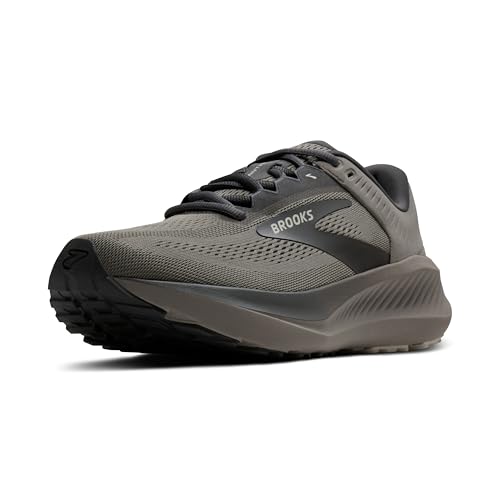 #1
Best Overall
Brooks Men’s Anthem 8 Neutral Running Shoe - Rock Ridge/Grey/Coconut - 10.5 Medium
$89.95
Check Price → #2
Runner Up
Under Armour Men's Charged+ Assert 11 Running Shoe, (002) Black/Black/Black, 10.5, US
$56.25
Check Price → #3
Best Value
New Balance Women's Fresh Foam Arishi V4 Running Shoe, Summer Fog/Nimbus Cloud/Light Gold Metallic, 8
$56.24
Check Price →An “everyday” running shoe is not the pair that feels magical for 90 seconds in a store—it’s the pair that stays comfortable when the week turns into recovery miles, faster work, and a long run before breakfast. In this roundup, I’m comparing the Brooks Anthem 8, Under Armour Charged+ Assert 11, New Balance Fresh Foam Arishi V4, and Under Armour Charged Assert 9 against that everyday-use standard, using terrain, purpose, support, foot volume, fit, and durability as the decision points. Expect practical value calls—not podium confetti—for runners trying to buy one dependable pair without donating money to the gear industry.
⚡ Quick Answer: Best Running Shoes for Everyday Use
Best for Neutral Strides: Brooks Men’s Anthem 8 Neutral Running Shoe - Rock Ridge/Grey/Coconut - 10.5 Medium
Table of Contents
Main Points
- Match the shoe to the miles. Decide where and why you’ll run—road or treadmill, daily miles, long-run comfort, trail use, or faster workouts—before choosing among the Brooks Anthem 8, the two Charged Assert models, and the Fresh Foam Arishi V4.
- Do not buy cushioning in isolation. Evaluate cushioning alongside support and stability, fit and comfort, and outsole durability. A soft first impression is nice; a shoe that leaves your feet cooked or its rubber chewed up after a few weeks is not a bargain.
- Respect foot volume and sizing. The listed men’s medium sizes and women’s size 8 are only starting points, not proof that these shoes will fit alike. Check toe room, heel hold, arch contact, and whether the upper accommodates your foot’s width and volume; a “correct” number that pinches is still the wrong shoe.
- Prioritize evidence that survives the honeymoon. Look beyond a quick try-on by considering recovery runs, faster efforts, fartleks, and long slow distance, along with any available measurements. Give extra weight to comfort after repeated mileage, traction, and construction that still feels consistent late in a training block.
- Judge the shoe by your actual workload. A daily shoe can be smart for easy road miles, treadmill sessions, walking, or backup duty, but runners logging higher mileage should prioritize dependable fit, stable comfort, and outsole life. Compare overall performance, shock absorption, energy return, weight, stability, and traction to the job at hand, not a single leaderboard.
Our Top Picks
Affiliate disclosure: if you buy through these links, we may earn a commission at no extra cost to you.
Factors to Consider
Frequently Asked Questions
What is the best everyday running shoe in 2026?
There is no single best everyday running shoe for every runner. Among the four reviewed options, use the roundup’s ranking as a starting point, then choose based on fit, support needs, running surface, and foot shape.
How much cushioning should an everyday running shoe have?
Choose enough cushioning to keep your normal mileage comfortable without making the shoe feel unstable or disconnected from the ground. Compare the four reviewed shoes by cushioning feel, fit, and intended use rather than relying on a single stack-height number.
Should I buy a neutral or stability running shoe?
Start with your actual support needs rather than assuming stability is safer or neutral is faster. Consider support preference and fit alongside cushioning, comfort, and durability when evaluating an everyday shoe.
Can I use one pair of daily running shoes for roads, treadmills, and trails?
A road shoe will usually handle roads and most treadmills, but it may lack the tread, protection, and grip needed for serious trail running. Matching the shoe to the surface usually matters more than finding one shoe that does everything.
How long should everyday running shoes last?
There is no universal replacement mileage because body weight, pace, surfaces, rotation, and outsole rubber all change the wear rate. Use comfort and performance as your guide, and watch for flattened foam, worn tread, a loose upper, or new aches.
Are lightweight running shoes good for everyday training?
They can be, provided they still offer enough cushioning, stability, and durability for your weekly volume. A lightweight shoe may feel nimble, but a slightly heavier shoe may be the smarter choice if it keeps your legs fresher on long or recovery runs.
How can I tell whether a running-shoe review is trustworthy?
Look for reviews that explain their evaluation method and provide context across easy runs, faster work, and long runs rather than relying only on first impressions. They should discuss fit, cushioning, comfort, durability, and intended use while distinguishing direct observations from manufacturer specifications.
Conclusion
The best everyday running shoe is the one that matches your terrain, training purpose, support needs, and foot shape—not simply the one with the loudest marketing. If you want a strong place to start, compare the four reviewed shoes by fit, ride, and support needs before committing your entire training cycle to one.


