

Gps Watches Vs Running Apparel Which Should You
Look, we’ve all been there. You’re staring at your bank account after a heavy gear haul, wondering if you should drop the cash on that shiny new GPS watch or finally replace those worn-out running shorts. It’s the classic runner’s dilemma: do you invest in the data that tells you how you're performing, or the apparel that keeps you comfortable while you're doing it? It’s not an apples-to-apples comparison—one is a high-tech brain for your training, and the other is the literal skin you wear on the road—but when your budget is tight, you need to know where your next dollar will actually move the needle.
Models in this comparison
Affiliate disclosure: if you buy through these links, we may earn a commission at no extra cost to you.
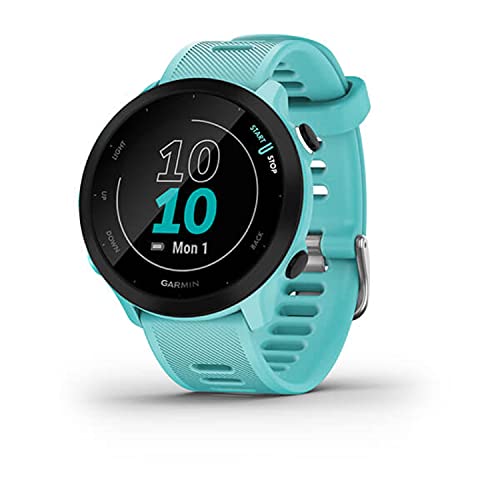


In this breakdown, we’re looking at the trade-offs between upgrading your tech and upgrading your kit. We'll dive into why a precision GPS watch might be the game-changer for your interval training, versus why high-quality running apparel is the foundation of injury prevention and comfort during those long, grueling Sunday miles. Whether you're a seasoned marathoner or just starting to lace up, this guide will help you decide which purchase deserves the top spot in your gear bag for 2026.
Table of Contents
Quick Verdict
Choose GPS Watches if...
- You want to turn guesswork into data-driven training decisions.
- You need precise tracking for pace, distance, and elevation.
- You're looking to optimize recovery and training load metrics.
- You want to own a piece of tech that acts as a personal coach on your wrist.
Choose Running Apparel if...
- You need to solve immediate comfort or weather-related issues on the road.
- You are prioritizing physical comfort and moisture management over data.
- You want to refresh your kit to prevent chafing or improve visibility.
- You're looking for a more immediate, tactile upgrade to your running experience.
| Factor | Gps Watches | Running Apparel |
|---|---|---|
| Relative Cost | Higher investment (Entry-level $150-$250; Flagships up to $750) | Lower investment (Variable based on fabric and brand) |
| Primary Purpose | Data-driven training, pace tracking, and performance analytics | Comfort, weather protection, and physical ease of movement |
| Setup Difficulty | Moderate (Syncing, GPS locks, and setting training zones) | Zero (Just put it on and go) |
| Reliability | High (Modern multi-band GPS is accurate within 1-2%) | High (Dependent on fabric durability and fit) |
| Key Advantage | Transforms guesswork into informed, evidence-based training decisions | Directly impacts comfort and prevents chafing during long efforts |
| Main Drawback | Requires charging and can be complex for casual users | Does not provide objective performance metrics or data |
About GPS Watches
Let’s get one thing straight: a GPS watch isn't just a glorified stopwatch. It is a data-driven coach strapped to your wrist. Whether you are chasing a sub-3 marathon or just trying to track your morning 5K, the right watch transforms guesswork into an evidence-based training plan. Modern multi-band GPS technology has reached a point where accuracy is within 1 to 2 percent, meaning you can actually trust your pace and distance data when the terrain gets tricky.
When you're shopping, you need to distinguish between "must-haves" and "marketing fluff." Essential features include reliable GPS accuracy, water resistance (at least 5 ATM), and a decent battery life. For most of us, 8-12 hours of GPS mode is the baseline, though high-end models like the Garmin Forerunner ever-present in the top rankings offer much more. While features like music storage or advanced mapping are convenient, they shouldn't be the primary reason you buy a watch unless you're a trail runner who needs turn-by-turn navigation.
Pro tip from the trenches: if you are doing high-intensity intervals where every second counts, don't rely solely on the optical wrist sensor. While modern sensors are great for steady-state runs, pairing your watch with a chest strap is the best way to get precise heart rate data during those brutal track sessions. For those on a budget, entry-level watches in the $150-$250 range are a perfect way to test the tech before committing to a flagship model.
About Running Apparel
Now, let's talk about the other side of the coin: running apparel. While a GPS watch tracks your performance, your apparel determines how much you actually enjoy the run. We aren't just talking about looking good for that post-run coffee shot; we are talking about moisture management, chafing prevention, and visibility. If your gear fails—if your shorts chafe during a long run or your shirt becomes a heavy, sodden sponge—your training suffers regardless of how accurate your GPS is.
The comparison here is a bit of an "apples to oranges" situation. A GPS watch is a technical tool that provides data, whereas apparel is a functional layer that manages your environment. You can't compare the cost of a $750 flagship watch to a pack of running shorts, but you can compare their roles in your training cycle. One provides the metrics to push your limits, while the other provides the comfort to ensure you can actually complete the distance.
When investing in apparel, focus on the specific demands of your running style. For road runners, lightweight, breathable fabrics and 2-in-1 lined shorts are staples. For those hitting the trails or running at dawn, reflective gear and specialized layers become essential for safety. Just like choosing a watch, don't overspend on "fashion" if it compromises technical performance. Look for durability and comfort that can withstand the repetitive motion of high-mileage weeks.
Head-to-Head: Data vs. Comfort
When you're staring down a twenty-miler, you're dealing with two different worlds: the digital data on your wrist and the physical reality of your gear. A GPS watch is a precision tool designed to provide objective feedback. Whether it's the Garmin Forerunner 970 providing high-level training metrics or an entry-level model giving you basic pace and distance, the goal is to turn guesswork into informed decisions. It's about tracking your progress, managing your training load, and ensuring your splits are on target.
Running apparel, on the other hand, is about managing the physical environment. While a watch tells you how fast you're moving, your apparel—like 2-in-1 lined shorts or moisture-wicking sweatpants—determs whether you're fighting chafing and sweat or feeling aerodynamic and comfortable. You can't "wear" a GPS watch to prevent a bad fabric choice, and you can't "wear" shorts to get better GPS accuracy. One manages your training intelligence, while the other manages your physical endurance and comfort.
Head-to-Head: Performance Impact
The performance impact of a GPS watch is often psychological and strategic. For serious athletes, having accurate data—like the 1 to 2 percent accuracy provided by modern multi-band GPS—can be the difference between hitting a target pace and overtraining. For those doing high-intensity intervals, pairing a watch with a chest strap can provide the precise heart rate data needed to stay in the right zone. It's a tool for optimization, helping you decide when to push and when to recover.
Apparel's performance impact is more about preventing failure. If your gear fails—think heavy, soaked cotton or poorly fitted shorts—your run is effectively over, regardless of how good your watch says your pace is. While a watch helps you train smarter, high-quality apparel ensures you can actually complete the training volume you've planned. One optimizes the work you do; the other enables you to do the work in the first place.
Head-to-Head: Investment and Longevity
Investing in a GPS watch is a significant technological commitment. You're looking at price points ranging from $150 for entry-level models to $750 for flagships like the Garmin Forerunner 970. Because technology evolves, a watch is a periodic upgrade. You buy it for the features—like the Coros Apex 4's titanium case and offline maps—and you replace it when the sensor tech or battery life becomes obsolete. It is a piece of hardware that requires regular charging and software updates.
Running apparel is a different kind of investment. It's a consumable good. While a good pair of shorts or a reflective vest might last several seasons, they face constant wear from washing machines, sweat, and UV exposure. You don't "update" your apparel via software, but you do replace it due to physical degradation. When deciding where to put your money, you're choosing between the long-term data-driven insights of a watch and the immediate, tactile necessity of reliable, durable clothing.
Who Should Choose GPS Watches?
Before we dive into the "which is better" debate, let's address the elephant in the room: these aren't equivalent categories. We are comparing a precision data tool against wearable gear. A GPS watch is a technical instrument designed to turn guesswork into evidence-based training, while apparel is about comfort, temperature regulation, and preventing chafing. You don't pick one instead of the other; you pick one to solve a specific problem.
You should prioritize a new GPS watch if you are hitting a performance plateau or training for a specific goal like a marathon or a trail ultra. If you need to know exactly how your pace is shifting during a tempo run or how your recovery is tracking over a multi-week block, the watch is your priority. According to RaceThere, entry-level watches in the $150-$250 range are perfect for casual runners who want to test the tech before committing to a flagship. If you're a serious athlete, you're looking for features like multi-band GPS—which RunningWithAI Blog notes provides accuracy within 1 to 2 percent—or advanced mapping for technical trails.
Choose the high-end watch route if you want a "personal coach" on your wrist. If you need to track training load, recovery metrics, or precise heart rate data to manage intensity, the investment in a watch like the Garmin Forerunner 970 or a Coros Apex 4 makes sense. These are for the runners who live by the data.
Who Should Choose Running Apparel?
Now, let's talk about the other side of the coin. You should prioritize running apparel if your current gear is causing physical discomfort. If you're dealing with heavy, soaked cotton shirts, painful chafing, or shorts that don't stay in place during a long run, your performance is being hijacked by your clothes. No amount of GPS accuracy will make a 20-mile run feel better if your gear is failing you.
Choose apparel if you are looking for immediate, tangible comfort improvements. This includes 2-in-1 lined shorts for better support, lightweight sweatpants for cooler morning efforts, or reflective gear for safety during dark winter runs. Apparel is about the "feel" of the run—managing moisture, preventing skin irritation, and ensuring you can move without distraction.
In short: Buy the watch if you want to optimize your training metrics and pace. Buy the apparel if you want to optimize your physical comfort and prevent distraction. If you're a data nerd with old, chafing shorts, you're going to have a bad time. If you have the best gear but no way to track your progress, you're running blind. Pick the one that solves your most immediate problem first.
Our Verdict
Look, we aren't comparing apples to oranges here—we're comparing a brain to a skin. A GPS watch is a piece of precision technology designed to track your progress, while running apparel is the gear that keeps you comfortable while you're actually doing the work. Because they serve entirely different purposes, the "better" purchase depends entirely on where you are in your running journey.
If you are a data junkie or training for a specific PR, buy the GPS watch first. A high-quality watch—like the Garmin Forerunner 970—gives you the objective metrics (pace, distance, and recovery) that turn a random jog into a structured training block. If you're just starting out, an entry-level watch in the $150-$250 range is a smart investment to get your feet wet with GPS technology without breaking the bank.
However, if you already have a way to track your miles but your current gear is causing chafing, heavy sweating, or zero visibility on night runs, prioritize the apparel. You can have the most accurate multi-band GPS in the world, but if your shorts are riding up or your shirt is soaking up sweat like a sponge, you aren't going to enjoy the run. High-quality apparel is about comfort, durability, and preventing the physical distractions that pull you out of your zone.
The Bottom Line: If you need to know how you're running, get the watch. If you need to focus on the act of running, get the apparel. If you can afford both, get the watch to track the data and the apparel to make sure you actually want to get out the door in the first place.
Frequently Asked Questions
Is a high-end GPS watch worth the investment over basic running apparel?
It isn't an apples-to-apples comparison because a watch is a data-driven training tool while apparel is comfort-driven gear. However, if you are deciding where to put your hard-earned cash, a quality GPS watch provides the metrics—like pace, distance, and training load—that help you optimize your training. Apparel keeps you comfortable, but a watch helps you get faster.
How accurate is modern GPS technology for distance tracking?
According to the RunningWithAI Blog, modern multi-band GPS provides accuracy within 1 to 2 percent. This level of precision is more than enough for almost any runner to track their progress effectively.
Should I rely on my watch's optical sensor for heart rate during intervals?
While modern wrist-based optical sensors are great for steady-state runs, they can lag during high-intensity intervals. For precise heart rate data during speed work, it is recommended to pair your watch with a chest strap.
What should I look for in an entry-level GPS watch?
If you are just starting out or testing the waters, look for essential features like accurate GPS and water resistance. According to RaceThere, entry-level watches typically offer 8-12 hours of battery life in GPS mode, which is plenty for most casual runners or those looking to test the technology before making a larger investment.
Can I use a high-end watch for more than just running?
Absolutely. While we focus on running, many top-tier models like the Garmin Forerunner 970 offer features like advanced mapping, music storage, and smart connectivity that make them useful for everyday life and backcountry adventures as well.


