

Top Running Apparel For Everyday Use In 2026
Hey runner, let’s cut through the noise. I’ve spent the last few training cycles grinding out miles in everything from budget wholesale tees to high-tech compression gear, and I’m here to tell you what actually holds up when you’re pushing past the 10-mile mark. With the industry shifting toward softer marketing claims after recent high-profile lawsuits, it’s more important than ever to look past slogans like “feels fast” and demand evidence for objective performance metrics. Whether you’re chasing a PR or just trying to survive a hot summer loop, this roundup breaks down the top running apparel for everyday use in 2026, focusing on what keeps you dry, comfortable, and free from chafing.
⚡ Quick Answer: Best Top Running Apparel
Best Overall: Kinglaman 4 Pack Men's 2 in 1 Lined Running Shorts Gym Athletic Shorts
- Fit
- Considering Kinglaman 4 Pack Men's 2 in 1 Lined Running Shorts Gym Athletic Shorts? Check the listed specifications against your requirements before choosing.
- Price
- $35.99
- Maintenance
- Follow the manufacturer’s use and storage directions for this product.
- Tradeoffs
- Only available in X-Large size; Basic aesthetic may not suit all styles
Table of Contents
Main Points
- Start with the problem, not the technology label: Identify specific issues like collar rub or hem ride-up before shopping, prioritizing fit and seam placement over cooling slogans or generic "performance" tags.
- Verify objective claims: Be skeptical of semi-objective promises; look for measurable data like fabric weight or air permeability, especially since brands often shift from absolute claims to vaguer language after legal disputes.
- Test the fit dynamically: Before buying, swing your arms naturally to ensure shoulders move without pulling the shirt upward, and check underarm/side seams for potential rubbing during long runs.
- UPF doesn't equal cooling: If you need sun protection, look for verified UPF-rated garments, but remember that this rating does not establish cooling ability for the wearer in heat.
- Hydration vest compatibility matters: For trail runs or long efforts, check for low-bulk seams and inspect contact areas after reaching for bottles with the pack loaded to prevent abrasion.
Our Top Picks
Affiliate disclosure: if you buy through these links, we may earn a commission at no extra cost to you.

Factors to Consider
Understand Performance Claims and Evidence
When shopping for running apparel, it is important to distinguish between subjective feelings and measurable performance metrics. Marketing terms like "cooling," "supportive," or "responsive" are often subjective or semi-objective and can mean different things to different brands. For objective claims—such as specific compression levels, fabric weight, or air permeability—consumers should look for verifiable data, such as pressure mapping or controlled test results. Be skeptical of performance-heavy claims like "improves sprint economy" unless the brand provides the methods, sample size, and conditions behind the statement.
Prioritize Fit and Seam Placement Over Technology Labels
Purchase decisions should start by identifying a specific problem, such as collar rub, hem ride-up, or underarm chafing, rather than focusing on technology labels or cooling slogans. Fit and seam placement are critical for comfort. When trying on running shirts or tops, swing your arms naturally to ensure shoulders move without pulling the shirt upward, and check underarm and side seams for rubbing or bulky folds. For longer runs or those using accessories, wear your belt with normal contents to check for hem friction, or load a hydration vest and reach for bottles to inspect contact areas while the pack is loaded. This practical approach ensures the apparel performs as intended during actual use.
Select Apparel Based on Running Situation and Weather
Choose running gear based on the specific type of run you are dressing for, such as a short road run, a long run with a vest, or an exposed sunny route. For short, easy runs, a simple top with comfortable seams and a familiar fit may be sufficient. For trail runs involving a vest, look for low-bulk seams and suitable coverage. If you are running on an exposed, sunny route, consider verified UPF-rated garments for stated sun protection, keeping in mind that a UPF rating does not establish cooling ability for the wearer. Plan for heat conditions separately from your clothing choice.
Evaluate Fabric Comfort and Functional Design
Look for fabrics and designs that address your comfort needs, such as moisture-wicking properties to keep skin dry or 4-way stretch fabrics to increase range of motion. Features like secure zipper pockets can help keep essentials safe during activity, while adjustable waistbands allow for a custom fit. When evaluating activewear like leggings or joggers, consider the fabric's opacity, stretch, and breathability. Remember that editorial recommendations and try-on checks are judgments based on practical use, not hands-on or laboratory test results, so personal verification of comfort and fit is essential.
Frequently Asked Questions
How do I verify performance claims in running apparel after recent industry lawsuits?
Following high-profile legal disputes, brands have shifted from absolute claims to softer, more qualified marketing language regarding compression, rebound, and thermal regulation. Consumers should demand evidence for objective claims; while "feels fast" is a matter of preference, specific performance metrics like improved sprint economy require verifiable testing data, including methods, sample size, and conditions.
What is the best way to check the fit of running shirts and tops?
Fit and seam placement are prioritized over cooling claims. To ensure a proper fit, swing your arms naturally to verify that shoulders move without pulling the shirt upward, and check underarm and side seams for rubbing or bulky folds. It is also recommended to wear your belt with normal contents to examine where it presses the hem.
How should I choose running apparel based on the type of run I am doing?
Start with identifying a specific problem, such as collar rub or hem ride-up, rather than focusing on technology labels. For short road runs, a simple top with comfortable seams is sufficient. For long runs with a vest, ensure the top works with your belt or pack, and for trail runs, look for low-bulk seams and suitable coverage that allows you to reach for bottles with the pack loaded.
Do UPF-rated garments provide cooling benefits for runners?
No. While UPF-rated garments provide stated sun-protection ratings, this rating does not establish cooling ability for the wearer. You should plan heat conditions separately from your clothing choice and use labeled UPF gear specifically when you need stated sun protection.
What materials and features should I look for in everyday running shorts and pants?
For everyday use, look for lightweight, breathable materials with quick-dry technology to stay comfortable during workouts or casual outings. Features like multi-pocket designs (including secure zipper pockets for essentials) and adjustable waistbands with drawstrings offer convenience and a custom fit for various activities like jogging, gym sessions, or lounging.
Are marketing claims about "tummy control" or "compression" in leggings verifiable?
Claims like "tummy control" or "dynamic compression" often blend subjective comfort with semi-objective user experiences. While these features may provide a slimming silhouette or secure fit, they are often editorial judgments rather than hands-on or laboratory test results. Consumers should be skeptical of performance-heavy claims without measurable data like pressure mapping or fabric denier. For example, the Blisset leggings mention "tummy control," which is a subjective fit claim rather than a measured compression metric.
How can I ensure running vests or chest packs are comfortable for daily use?
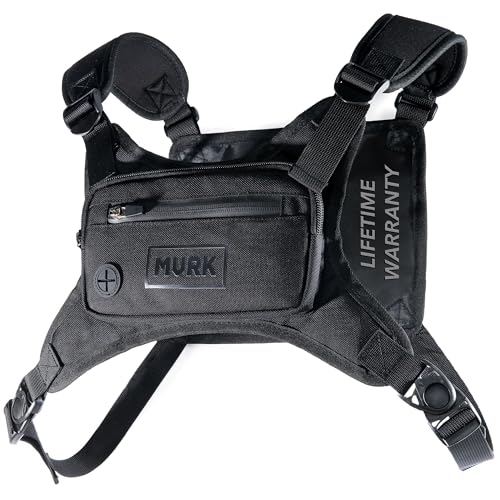
When using a running vest or chest pack, check for comfort at all contact points, such as neoprene padding, and ensure the straps fit your body perfectly. For hydration vests, inspect contact areas after reaching for bottles with the pack loaded to ensure low-bulk seams prevent abrasion or discomfort during movement.
Conclusion
When selecting running apparel for everyday use in 2026, consumers should prioritize verifying performance claims by distinguishing between subjective feelings like "softness" and objective, measurable metrics such as fabric weight or compression levels. Practical fit checks, such as swinging arms naturally to ensure freedom of movement and inspecting seam placement for potential chafing, remain essential editorial judgments for ensuring comfort during activities like running or gym workouts. For men seeking versatile bottoms, the Kinglaman 4 Pack Men's 2 in 1 Lined Running Shorts Gym Athletic Shorts | Built-in Liner, Quick Dry Fabric, Convenient Pockets, Breathable Stretch Fit, 2 Black 1 Blue 1 Gray X-Large is an ideal choice for its breathable stretch fit and convenient pockets, making it a solid contender for everything from morning tempo runs to post-workout gym sessions.


